HOME
HOME
Exclusively on Outdoors Niagara!
|
INTERESTING STORIES
FROM THE NIAGARA REGION |
|
|
Smelt, Catching, Cleaning and Cooking
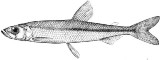
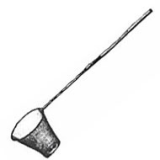
The smelt are stimulated to stage and run upstream from their winter habitat in the lake to spawn when the water temperature reaches about 42 degrees F. The most common method used for catching them is by using a stiff screened cone shaped net on the end of a long pole. The opening of the net is faced down stream and the stiff screen maintains the net’s shape against the strong current. Smelt are netted mostly at night due to the much stronger run after dark. Netted smelt are then dumped into a bucket or other container. The limit in New York State is 8 quarts per person. And believe me, a DEC Officer may very well show up to check that you haven’t gone over that and that you do have your fishing license on you. After catching the smelt and keeping them fresh at a cold temperature the fish are cleaned using the following method. The easiest way to do this is with a sharp scissors. Cut the head off from the top down behind the gills at an angle so as to remove the pectoral fins also. Smelt do not need to be scaled or skinned. The dorsal fin and tail may be left on. Cut a slit down the belly to the anus. Using a spoon or your thumbnail scrape the innards out of the smelt and dispose. Make sure you also scrape the black stuff off which is clinging to the spine. Rinse thoroughly in water. The smelt may be frozen at this point if you are not going to cook them soon. Some people make a batter using egg, milk, beer and flower to dip the cleaned smelt in for deep frying. I usually just dip the wet smelt in some flower with maybe some salt and pepper in it. It’s best to use oil with high smoke points like peanut, sunflower or canola oil. Heat the oil to ~375 degrees and carefully drop the smelt in and cook for around 3 minutes or until golden brown. Throw the cooked smelt in a bowl or on a plate with paper towels on it to absorb excess cooking oil. (Warning, you may smell up the house if doing this in your kitchen.) And now the reward. Crack open a container of your favorite beverage. Some people like to dip them in catsup (ketchup) by I like to dip them in cocktail sauce which is ketchup, horseradish and a touch of lemon juice. Munch on out!
NOTE: There is no size limit on the net you use for dipping smelt in the NIAGARA RIVER or TRIBS. There is an 8 quart daily limit which is strictly enforced. |
|
The Old Fisherman at the Landing 
I’m not that young anymore, but I feel young. Today I got my fishing gear together and drove down to the Lewiston Landing. I set up my chair and put some minnows on my rig in hopes of maybe catching some perch for lunch. Perch are the most delicious fish you can catch in the Niagara River. A Cadillac pulled up and parked in the handicapped parking spot. The door opened and there was a gray haired older guy trying to climb out of his car, so I went over and helped him. He had his chair and fishing gear. I got him settled on the dock and got his line in the water, and then we got to talking. When we started, he told me his wife is in a nursing home with Alzheimer’s, then the conversation went from one thing to another. I fished the sand docks, now called the Lewiston Landing, when I was a young boy. Now I’m back doing it again. I brought my chair over and sat next to the elderly man, and being not so young myself, older people have a whole lot of good tales to tell. We got talking, and our conversation led to our time in the military. Me, being a Viet Nam era Navy man, he was a WWII Marine. He fought in Iwo Jima, and told me about going ashore from one of those landing crafts. He and his fellow Marines were extremely scared, as the enemy bullets were flying from their machine guns, only meant to kill our soldiers. Their fear was justified; several of his fellow Marines were cut down around him. He could see the bullets hit the sand around him as they rushed the beach. The old Marine said that memory never leaves you, and now you wake up in a cold sweat just dreaming about it, hoping that you’re not still there. I think they call it shell shock, or maybe post stress traumatic syndrome. After several of our young men died, the American Flag was lifted high on Iwo Jima. You’ve seen the pictures. War is hell. Our conversation drifted back to fishing, and how beautiful it is sitting on the shore of the Niagara River, even if the fish didn’t cooperate. All the WWII Marine caught was a red finned sucker, and this Viet Nam Navy man only caught a couple of those pesky gobies. It was fun though. My dad died last year, a tanker, in the Army under General Patton and proudly, I have his medals on display on my living room wall, he was there when they blew the swastika off of Nuremberg Stadium. I’m trying to make a good habit of going fishing every weekend. I have a boat, but sometimes it’s just fun to go shore fishing because you get to meet and talk with people. When the weather cooperates, and it’s nice outside, shore fishing is like living in paradise and maybe the next time you go fishing and you see an elder sitting there, go shoot the breeze with him. You may be pleasantly surprised at how enriching an experience it could be, and next Memorial Day, remember the guys who made the ultimate sacrifice to keep our country the free and wonderful place that it is. God bless America.
|
|
The River
Heard Me Cry  When
I was about nine years old, I really
wanted to go fishing. It was the beginning of Summer vacation. I
didn't have a fishing pole and didn't have any money to buy one.
My parents were on a tight budget and couldn't afford to buy me
such things. My older brother had done some fishing with a
really nice pole and reel he bought with his hard earned money
from his paper route. It was one of those fiberglass poles with
a bait casting reel on it. The reel had that strong black
fishing line on it that must have been about 50 pound test. He
was about 16 years old then. He didn't fish as much because of
his interest in cars and horses. One day I got up the nerve to
ask him if I could use his fishing pole. My brother really
valued his possessions and took really good care of them. He
said that I could use it, but I'd definitely have to be careful
not to break it or lose it. I assured him that I would be very
careful with it and return it to him when I was done. When
I was about nine years old, I really
wanted to go fishing. It was the beginning of Summer vacation. I
didn't have a fishing pole and didn't have any money to buy one.
My parents were on a tight budget and couldn't afford to buy me
such things. My older brother had done some fishing with a
really nice pole and reel he bought with his hard earned money
from his paper route. It was one of those fiberglass poles with
a bait casting reel on it. The reel had that strong black
fishing line on it that must have been about 50 pound test. He
was about 16 years old then. He didn't fish as much because of
his interest in cars and horses. One day I got up the nerve to
ask him if I could use his fishing pole. My brother really
valued his possessions and took really good care of them. He
said that I could use it, but I'd definitely have to be careful
not to break it or lose it. I assured him that I would be very
careful with it and return it to him when I was done. I was really happy. I had a fishing pole to use and I was going to try some fishing. His pole already was bait rigged with a hook and a sinker. I didn't really know much about rigging a pole yet. That was something I learned as the years went on. I dug up some worms in the back yard and got some out from under some big rocks that were back there. I put my worms in an old soup can. I was ready to go fishing! I was excited. Later that day, right after dinner, I was on my way down to the Lewiston Sand Docks. My mother and father told me to be careful down there. My older brother warned me again to be careful with his fishing pole. I grabbed the pole and worms and hopped on my bike. I was on my way!  I rode my bike down Oneida Street to the top of Suicide Hill as the local kids called it. I tore down the hill and hit my brakes at the bottom and took a sharp right. I coasted down the hill right down to the Sand Docks. I leaned my bike over against the silo. There were a few other people there fishing. I saw them pulling in an occasional small bass, perch, or a chub. I found a spot on the Northwest corner of the dock where nobody else was situated. I pulled a worm out of my bait can and impaled it on the fish hook. I tossed my line out into the water and let it sink to the bottom. I set my pole down on the dock so the tip was extended out over the edge. I anxiously waited for a bite. After a little while, I saw the tip of my pole jiggle. I had a nibble! I gently put my hand down on the pole and jerked it when it jiggled again, nothing. I missed it. I reeled my line in to find that my worm was gone. I put another worm on the hook and tossed my line off the corner of the dock and into the water once again. I set my pole down on the dock to await another bite. Now, the current in the river going by the Sand Docks is kind of tricky. The current along the shoreline can be flowing north and the change to the back-current flowing south every several minutes. During this change the current varies in strength and direction. While I was waiting for another bite, with my brother's pole set down on the dock, I heard a commotion behind me. One of the other fishermen had hooked into a decent sized fish and was reeling it in. I had to watch this! At the same time, the current was shifting from the back current to the northward current. I turned to look at my pole just in time to see it being dragged over the edge of the dock and into the water. The current was strong enough that I know it was going to be dragged quite a way into the river. My heart sank. I stood and stared at the water for I don't know how long, shattered. It was starting to get dark and I knew that I had to go home. I was sad and dreaded the thought of returning home without my brother's fishing pole and having to tell him what happened. I was so heart broken I walked my bike to extend the time it took getting home, only to delay the inevitable. The darkness of the evening descended around me. Tears streamed down my face as I walked. This was the saddest day I ever had. When I got home I just dropped my bike in the yard. I walked into the house, no fishing pole in hand. I had tears in my eyes. My parents and brother were sitting in the living room. I walked into the living room, crying. I told them what I happened. My brother, I could see, was angered. But he could see how upset I was, so said nothing. My parents could see how disappointed I was, but there was nothing to say that would have helped. The fishing pole was gone. I went to bed. Eventually, I fell asleep, knowing that my Summer of fishing was ruined. The next day I slept in later than I normally did. I was awakened by my mother calling me. "Mike, your father wants to see you." I got up and went down stairs. My father was in the kitchen. He was holding this old broken down fishing outfit in his hands. "Here, as I was driving to work this morning I saw this in someone's garbage they were throwing out. You can use this. I had some old hooks and sinkers in my tool box, you can have these too." I looked at it and quietly said thanks. It looked like something you'd expect to find in someone's garbage, garbage. It was one of those old black steel rods. It had a kink in it like it had gotten slammed in a door. The corroded reel had tangled black fishing line in it. I managed to straighten out the kink mostly. I oiled the reel and worked at getting it freed up so it would turn. I pulled a bunch of the string out and managed to get most of it untangled. It was nothing like my brother's nice pole and reel. I tied a sinker and a hook on the line like the ones had been on my brother's pole. I got a can out of the garbage and went into the back yard and found some worms. I hopped on my bike and headed back down to the river. My brother was working on his car in the driveway when I left. When I arrived at the Sand Docks there were just a few people fishing. I leaned my bike against the silo. The spot where I had been fishing the evening before was vacant. I put a worm on my hook and heaved out my line. It went out quite a ways. I guess I had done a good job freeing up the reel. I didn't set the pole down this time. I held onto it. As I was waiting for a bite something pulled on my line. It was a slow pull, not like a bite. I yanked on my line and my pull bent really hard. Nuts! It was a snag. Something was snagged on the end of my line. I reeled and my line was coming in even though it was snagged onto something. I kept reeling and finally the object which I had hooked broke the surface. I couldn't believe it! It was my brother's fishing pole! I had gotten it back! I was stunned and gladdened at the same time. I took my brother's pole and the other old one and jumped on my bike. I rode home as fast as possible. My brother was still working on his car. "Look" I yelled. He looked up. "I got your pole back! Here." He looked at me and smiled and said "You can have it." I said "What?" "You can keep it, it's yours." He smiled and went back to work on his car. Wow, I couldn't believe it. I spent a lot of time fishing with that pole that Summer. The mighty Niagara had seen my sadness and graciously returned it to me. |
|
Halloween in the Outdoors of Niagara
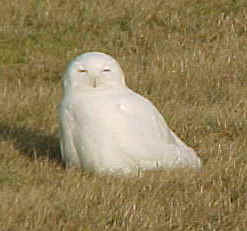
The leaves are starting to change color. The browns and oranges and gold of autumn are starting to express themselves. The wind howls and the drizzle comes down. And thoughts of the upcoming hunting season dominate our minds. We take down our guns from the racks and clean and polish them. Soon we will take them out and shoot them to make sure they are properly sighted in. We make sure that we have enough ammo for the upcoming hunting season. We make sure that we are ready to make that scary walk out into the woods on that cold November morn in anticipation of pulling the trigger. We are stocking up our woodpiles for our wood burning stoves. Or dreading the arrival of heating bills in the mail. Many of us are hopefully enjoying the victories of the Bills, and the upcoming Sabres season. The trout and salmon are running upstream. The nets are busy. Boaters are hauling in huge fish. Shore fishermen are bringing the big ones ashore. It is the harvest season. The autumn brings on a certain feeling of melancholy. We have just raced through the joy of the warmth and sunshine of summer. It seems to go by faster and faster every year as we age. Now the flowers are starting to wilt. The leaves are turning and shall soon be falling leaving the haunting skeletal shapes of trees. Fall is a type of death. Summer is going through its death throes. Frost shall cover the pumpkins and the plants soon and kill them. The dead of winter will visit us soon. Snow shall bury the wild flowers which flourished during the past summer. And we know that we now shall endure a long winter. We shall endure a very long winter in which we once again look forward to the thaw and resurrection of life in the spring. We may see a snowy owl, which has ventured this far southward. Or maybe even a great gray owl which has come south from the Boreal Forest. This is why I believe that Halloween has so many symbols of death and all that they represent. Because in the autumn, we are living with death. The death of the summer. The animals feed more now to build up their fat reserves. They must survive the lack of food which winter brings. Like some ancient rite we hunters and fishermen enter the hunting and fishing harvest season to stock up food to survive the winter, as our ancestors did. We of the Niagara area are hardy souls. We have survived many winters, some harsh, some not so harsh. Unlike bears, we do not hibernate. We keep warm. We heroically fight the snow. After Halloween comes the celebration of the harvest, Thanksgiving. We enjoy the fruits of the season. We celebrate.
|
| Sounds Of
The Night By Mike Gillis Snow Owl Photo by Kaitlyn Gillis....... Photo is of a snow owl photographed in Wilson NY at Camouflage Acres, and is a rare sight in Western New York
Spring, summer and fall evenings are filled with the many sounds of the wildlife of our Niagara area. Winter nights are comparatively quiet. Although even on dark winter evenings there are animals out there being active. One activity, which I enjoy during the warmer seasons is going outside when it is dark and listening to the sounds of the night. Turn off the TV and the stereo. Eliminate as many man made sounds as you can and go outside and have a seat. As you listen you will hear that there is a symphony going on, nature’s symphony. Sometimes there are some really strange sounds that cannot be identified. It’s cool to know that there is some creature out there making this sound. You can hear the sounds of many creatures. Listen closely, you may hear the eerie sound of the howling of a pack of coyotes. You may hear the chirps of bats as they fly over you consuming insects. You may hear some horrible sounds, like the squealing sound of a rabbit being killed by a predator, or the screaming sound of raccoons fighting. The night can be filled with the symphony of nature. Mostly you will hear the sounds of frogs and insects. There’s a really great website to identify the night sounds of frogs which you may hear. Here’s the web address: http://www.exploratorium.edu/frogs/tracker/index.html Check it out, it’s really fun. With your mouse you get to flash a flashlight out into the dark and when your bean hits a frog or a toad you will hear its sound. I haven’t found any websites that are very good at identifying night insect sounds. If you know of any let me know. Most of the sounds that you hear at night are from insects, mostly crickets. Of course, one type of creature, which is really intriguing, is the owl. These are truly incredible creatures. A really good website for identifying owl sounds is: http://www.owlpages.com/sounds.php There are several owls which inhabit the Niagara area: the great horned owl, the barn owl, the screech owl, the saw whet owl and it has been reported that the great gray owl are among many of our area owls.
|
|
|
The Lake
Sturgeon There are 25 species of sturgeon. Some of these species reach a length of 13 feet. Occasionally rumors of even larger ones are heard. The Atlantic Sturgeon, found along the coasts and in the rivers of the northeastern USA have been known to weight as much as 500 lb. Fossil remains of this prehistoric fish have been found dating from 54 to 40 million years ago, some of these have been up to 25 feet long.
Thanks to the classification as a protected species by New York State, strong public support for endangered species and environmental improvement of water purity and habitat conditions, the sturgeon is now making a comeback in the Great Lakes. More and more frequently, over the past few yers, I hear of sturgeon sightings by shore fishermen along the Niagara River. The sturgeon is a bony fish, its skeleton is made up of cartilage, like sharks, skates and lampreys. It's mouth is a sucker-like projectile structure which can be retracted when the fish is not feeding. The fish spawns in May and June in clean shallow water, such as along the rivershore. A fifty pound fish can lay between 200,000 and 300,000 eggs, a 300-pounder up to 2 million. The growth rate is quite slow, a 25 pound fish taking 19 or 20 years. According to outdoor columnist Joe Ognibene, around the turn of the century, a common way to catch sturgeon was to place a trot-line of several baited hooks just off the river shore overnight. The next day the lines would frequently have to be towed out of the water by using mules, the fish were so heavy. Often, the fish were transported to the market in Buffalo to be sold. Ron, of Mark's Tackle in Niagara Falls.
More recently, Joe Ognibene told me of two sturgeon which were pulled from the trash racks of the Power Authority Niagara Reservoir, each five to six feet long, about 14 years ago. They were both then displayed at Mark's Tackle when Mark Daul had the store on Whirlpool Street. Most recently, in mid September of this year, John DeLorenzo of the Niagara River Guide Service caught and released a sturgeon at Devil's Hole estimated to weigh around 150 pounds. Hopefully, we will continue to protect this magnificent fish and it's habitat and let it reestablish it's historic population so that in the future it will no longer be necessary to classify it as a protected species, and may be enjoyed by future generations as it once was by past generations. References: "Methusaleh of Fresh Water Fishes-The Lake Sturgeon," The Conservationist, Nov-Dec., 1986; William A. Pierce STURGEON, Microsoft Incarta, copyright 1994. Microsoft Corp. copyright 1994, Funk and Wagnall Corp. |
| Strange
Tales of the Niagara Mike Gillis Back in the 1940's and 50's, it was quite common for spear fishermen to catch sturgeon under what was the old Lewiston-Queenston Bridge.
There's a tale of a spear fisherman who went fishing down below the bridge one night. Instead of tying the line to a rock or a tree, he tied it around his waist. Well, he happened to spot a huge sturgeon coming along the shore. He jabbed his spear at it and hit his target. If the fisherman is accurate enough, he can spear the sturgeon at a spot where its spine will be injured and it will be paralyzed, thus disabling the fish from putting up a fight and making it easier for catching. This fisherman was not so fortunate. His spear stuck in the fish, but when the huge fish headed out for deeper water, it still had its full strength. It pulled the man in after it. The body of this unfortunate fisherman was found about a week later on the shoreline of Lake Ontario. The line and the spearhead was stilled attached to the fisherman, but the fish had managed to shake the spearhead loose. Nobody knows if the sturgeon dragged him all the way down the river to the lake, or if the sturgeon shook him loose up in the river and the current took his body down to the lake. This is one of many strange stories I've heard about our Niagara River. In future issues, I'll tell you some additional strange tales which I've heard about fishing on the Niagara River. For example, there's the one about John Long catching an alligator while fishing near the Wagon Wheel drift; or the one about Tony Mang being attacked by a llama while shorefishing near Four Mile Creek. Spear Note: The spear picture above is typical of spear points used in the 40's & 50's. Most were handmade by fishermen at home or some were made in the local factories by the men at their jobs. The time was during and just after the Second World War. The most popular spears were made at the old Bell-Aircraft plant on Niagara Falls Boulevard in Niagara Falls, NY. Some were fabricated at the old Hooker Chemical Company in Niagara Falls too. Notice the barbs on this particular spear. They are stationary while the "Cadillac" of fish spears were made with what they called "fly-barbs" The fly barbs would fold in as the fish was hit, then the barb would embed itself and open in the flesh making it impossible for a huge fish to escape. These spears were made by skilled craftsmen and the worked great! Be sure to enlarge the spear picture. Perhaps you have some strange tales about fishing on the Niagara which you'd like to tell. If so, give me a call or email your tale in writing to Mike or send to this website. You will be given full credit if we use your story. |
|
I
REMEMBER OLD CHARLIE
Just north of there, maybe a half of a mile, if you’re drifting by on
the river you used to be able to see the remnants of what used to be
that dock, and a broken down wooden tram-way going up the bank to the
road above. That used to be Charlie Lonsdale’s dock. Those are the
remnants of what used to be Charlie’s Boat Rental, bait and tackle
business. When I was a kid, my friends and I used to spend a lot of time
down there. The world was younger then and so were we, much, much
younger. We used to fish down there. We were occasionally obnoxious, but old Charlie never said a word. He would let us use a boat occasionally without charging us. We kids didn’t have much money, and Charlie knew that. Sometimes we would just hang out there, having an occasional verbal war with the Canadian kids on the Queenston Sand docks. Charlie, with his wise old eyes, behind which held a great wisdom of the lower river, and we were then too young to appreciate, just went on with his work.
Almost every time that Charlie came back from one of his solo fishing
trips, he would have at least one walleye. The other kids told me that
he caught most of his fish in the Queenston drift. Souvenirs of his
catches could be seen on the wall of his tackle shed on the north end of
his dock. The shed no longer stands there. There were several of the
heads of the many walleye that he caught nailed up there.
Charlie
always used the rest of the fish for sustenance. As a kid, I didn’t
think about it much, but Charlie couldn’t have made much money from
that business down on the riverbank.
During the smelt season in April, some of the other kids and me would go
up to Charlie’s two-room dwelling on
I can remember his tough wrinkled hands, hands that had tied many a rig,
and hauled in many a fish. I can remember Charlie’s wrinkled face, a
face that had felt many a wind, both warm and cold, blowing across the
lower
The years passed. I grew older. My interests changed some, as they do
with teenagers. Eventually I went away to college. I heard that Old
Charlie died. I didn’t go to his funeral. I don’t know many people
that did.
I was too young to fully appreciate Charlie back then, I don’t really
know if he knew my name. Maybe I was just one of the kids’ who hung
out at his dock. But all the kids, “River Rats” we were called, knew
Charlie, wise, quiet, great lower river fisherman, Charlie.
I
remember you Charlie. |
|
VARMINTS
AROUND OUR HOUSE BE
SURE TO CLICK THE PICTURES FOR AN ENLARGEMENT
My
wife and I and our infant daughter moved to Little did we know that there were eyes upon us as we settled into our new home. Mischievous little eyes staring from the trees of the woods and the boulders of the lakeshore.
We brought three cats with us when we moved into the house. Willis, Phyllis and Alice Gillis were there names. We have the laundry room in the back of the house. Between our kitchen and the laundry room is a door with a window in it. In the kitchen, just inside this door, is a switch which turns the light on and off in the laundry room. So one can look through the window from the kitchen into the laundry room and turn on the light to see in there. On the other side of the laundry room is a storm door going into the backyard. It is just held shut with a spring. We used to leave it unlocked so that the cats could go in and out of the house as they please. They would merely just have to push or pull the light door open and it would shut behind them. We fed our cats in the laundry room. We kept there cat dishes with water and food on the floor in front of the sink between our washer and dryer. I worked shift then. One evening when I got home from work at about midnight, I went into the kitchen and turned on the light to look into the back room. All three cats were sitting on top of the washing machine. They were looking down watching two huge raccoons devour their food. A cat knows better than to mess with a raccoon. An adult raccoon can weigh from seven to 35 pounds and be from 25 to 36 inches long. Northern raccoons tend to be larger than their smaller relatives down south. These two looked like 30 pounders. They can be quite vicious when challenged or cornered. The largest raccoon on record was 50 pounds. I banged on the door and the not so little masked bandits went rushing out the back door.
Opossums are the only North American marsupial. They carry their young in a pouch like a kangaroo does.
When
you live near the shoreline body of freshwater, like One varmint, that I personally fear encountering the most, is the skunk. And yes, these potentially odorous fellows do inhabit the general area where I live. Some of you folks, I’m sure, know the feeling when your walking out to your deer hunting spot before the sun rises. It’s dark, you’re in the woods and alone, and what the hell do you do if you encounter a bear? Well, that’s how I feel sometimes during the summer when I’m walking down to the lake after dark. I know they’re around, I’ve seen them. Just beware if they raise that tail, believe me, that baby’s locked and loaded and ready to ruin your week.
Well,
Cubby was still pretty much a puppy then. He didn’t beware and his
week definitely got ruined. And it didn’t do much good for my week
either. We had been up to
Early on, we had had problems with varmints getting into our garbage cans and spreading the stuff all over the yard. I attached bungee cords to the tops of the cans to try to keep the raiders out. One day during a very hot week in July, I took a bag of garbage out to deposit in our large rubber garbage can. I removed the bungee cord from the top of the can and took the lid off. When I looked down into the garbage can there was a hot, exhausted raccoon staring up at me. It had actually managed to pry its way under the bungee held lid and into the can. I hadn’t opened the can in a few days so I don’t have any idea how long that poor creature had been suffering in that hotbox. I tipped the can over. Normally a raccoon would run away like a bat out of hell. This one just looked up at me with its weary eyes and stumbled off into the woods.
Elves,
pixies, gremlins and trolls? There may be a few of those wandering
around my yard too. However, so far I haven’t encountered any. |
|
Fishing
The River at Night Make sure you read the "eel facts" at the end of this article. I think that the best times to catch fish from shore are just before sunrise, and just after sunset. That is, for panfish, walleye, and bass. Of course, the best time for catching catfish is in the middle of the night. When I was a boy, I used to hop on my bike just before sunset and head down to the Sand Docks in Lewiston. My big black dog, Butch, would accompany me. I took a kerosene railroad lantern with me. Armed with my fishing pole, a bucket and some worms I situated myself on the north corner of the dock for some night fishing. Looking back, there were several reasons why I enjoyed fishing from the dock at night. One was the serenity. The occasional sound of gulls or a duck blended with the swishing of the rivers current. You could hear the occasional splash of a fish feeding on the surface. As night gently spread its darkness across the scenery, an air of mystery would settle in. One by one, lights would go on along the rivers shoreline. One observation that I made was that when you're outdoors and its getting late, it still seems light out to you for quite awhile. But if you went into a lit room and looked out the window it would be totally dark out. Eventually, the darkness of the night would overcome the ability of my eyes to adjust and it would become dark. I would light my kerosene lantern. There I would sit alone in the darkness, except for the company of my dog. Occasionally, I would see a river rat scurry between the shadows cast by my lantern. Rats thrive along the shorelines of any waterway where dead fish can be found. Dead fish are prime food for a river rat. That must be why they grow so big. Also, they are quite dark in color, they look black in the light cast by a lantern. I have no fondness for rats, they seem to epitomize filth and disease carrying rodents to me. While I was having a good time fishing, my dog was having a good time chasing these rats, keeping them away from me.
One of the things I really liked about it was the fact that you didn't
know what you were going to catch next. There was this lady who lived
down the street from us who just loved gardening. She had a little
garden pool next to her house. She knew that I went fishing a lot. So
she told me to put anything that I catch into her garden pool. That
evening, Butch and I headed down to the Sand Docks. During the course of
the evening I tied into something huge. Man did it put up a fight. I
managed to land it. It was an American Eel. The biggest one I ever
caught. That thing had to be at least three feet long. I put it in my
bucket. I was around twelve years old then. I grabbed my fishing gear
and my bucket with the huge eel in it and headed Her husband heroically unwrapped the slimy beast from his distraught wife's ankle and slew it with a kitchen knife. She did not sleep well for the rest of the night, probably for fear of dreams about sea serpents. But there's a pleasant ending to that story. The eel made great fertilizer for her garden. She made no further requests for fish for her garden pool. Fishing the Niagara in the evening is a great way to pass the time. You never know just what you might catch. AMERICAN EEL FACTS: Every Autumn, American eels descend the St. Lawrence river on a journey toward the warm waters of the Sargasso Sea* to spawn and die, returning to a birthplace they left as many as 30 years earlier. We do not know their path nor do we understand how they navigate vast distances. The moon, stars, magnetism and an exceptional homing ability may guide them through the dark waters. Eels have not revealed their spawning secrets; scientists do not know exactly where eels spawn, at what depth or how they behave when reunited at the spawning area. All eels from throughout their range, Greenland to Central America, converge on the spawning waters at about the same time. This is remarkable considering the vastly different distances they must travel. Northern fish leave much sooner to arrive “on time.” Despite the enormous geographic range of the species, all American eels comprise a single breeding population. The American eel is a very unusual species:
"The *Sargasso Sea
is an elongated region in the middle of the North Atlantic Ocean,
surrounded by ocean currents. On the west it is bounded by the Gulf
Stream. On the north, by the North Atlantic Current; on the east, by the
Canary Current; and on the south, by the North Atlantic Equatorial
Current. It is roughly 700 statute miles wide and 2,000 statute miles
long (1,100 km wide and 3,200 km long). It stretches from roughly 70
degrees west to 40 degrees west, and from 25 degrees north to 35 degrees
north. Bermuda is near the western fringes of the sea. *The Sargasso
Sea is the only sea without shores." |
|
ADVENTURES
IN SMELTING I got down to the river to try my luck several times but I didn't have much success this year. I figured that the warm winter and spring that we had might cause the smelt to run early this year. So I first went down to Artpark in the middle of March with my Tuscarora friend, Shorty. We didn't have any success. While we were fishing down there in the darkness (Shorty said that the lantern light would scare the fish away) we noticed the shadow of two large winged creatures flying up river directly in front of us. "What are those?" I asked Shorty. 'Pterodactyls!" he replied. We soon realized that what we were actually seeing was a pair of great blue herons. The moonlight was bright enough to allow us to see them land on a large rock on the shoreline. They too were trying their luck at smelting, in the middle of the night. I never realized until that night that blue herons fish at night. What amazing fishing creatures they are. The next time I went was with Tony Mang about the 1st of April. It was wet and cold outside. We hiked through the woods down to the mouth of Four-Mile Creek. It had been raining so much that the creek was really high and the mouth was really wide, no success.
A few days later Tony and I went down to Artpark with our waders. Several people were taking smelt. John Tromontano caught a 12-inch mud puppy in his smelt net. There were probably about forty or fifty down at the dock that night. I was standing on the south corner of the dock when someone yelled "Hey, what's that?" There was this black object floating in the water about the size of a medium sized dog. It swam right up close to me. It was a beaver swimming down river. I grew up near the river and this was the first time that I'd ever seen a beaver in the lower Niagara River. When I was a kid, about 50 years ago, there were so many smelt that from the top of the river bank at what is now Artpark, and back then was Kolano's, you could see a thick black swaying line parallel to the river shore. There was no limit on the number of smelt you could take. People would actually fill garbage cans full of smelt to take home. On the cars of the smelters you could see many out of state license plates from places as far away as West Virginia. I actually saw pickup trucks with their backs loaded with smelt. I recall asking one guy what he planned to do with an entire load of smelt on his pickup truck. He told me that he used them to feed the mink on his mink farm down in the Finger Lakes region. We kids used to go over to Charlie Lonsdale's house and he would loan us a smelt net. We would go down to the shoreline and you could fill your net up in a matter of minutes. Smelt is a quite an oily fish. Someone once told me that the Indians of this area dried the smelt and burned them for light, like candles. When they burned them they smelled really bad, and hence the word 'smelt'. (Please don't quote me on that]. What is a smelt? It's actually related to trout. I've never seen any more than eight or nine inches long. Around the beginning of April every year they run up the Niagara River and the tributaries of Lake Ontario to spawn. There used to be many more years ago than there are now. So why aren't there as many now as there used to be? According to Bill Hilts Jr. one of the main reasons that there are fewer smelt is because there are fewer nutrients. The reason that there are now fewer nutrients is because of stringent environmental laws that resulted in lower concentrations of phosphorous in the water. This element is a basic part of the bottom of the food chain. The result is less plankton and thus fewer smelt. Another reason is over fishing. Hilts relates the story of when a fisherman was telling him that he used to fill his boat with blue pike frequently. Then in the next breath asks, "Where did they all go?" Of course, the Niagara Rivers history has its unfortunate periods of serious pollution. This didn't help any fish populations. Another big factor is the predators. Those big twenty to forty pound salmon and trout out there have to eat a lot of smelt, alewives and shad to get to be that big. Bill Hilts Sr. told me of a recently caught lake trout that had 99 smelt and alewives in its belly. Unlike the blue pike, which are believed to be gone forever (See our articles on blue pike on this Outdoors Niagara website) we still have the smelt. Maybe the recent limit set by the DEC is a step in the right direction. Managed correctly, we can insure that future generations enjoy this fish us much as we have. |
HOME

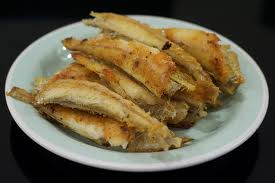 The
smelt is an oily fish. Years ago people would catch them
and use them like candles to light their shelters. The
odor of the burning smelt was really bad, and that’s how
they got their name. They smelt. Errr, just kidding.
Actually smelt were introduced to Lake Superior around
1940 and spread through the Great Lakes reaching Lake
Ontario in the late 40’s or early 50’s. I now believe
that smelt are a large part of the reason that the blue
pike disappeared, smelt eating their eggs and over
fishing.
The
smelt is an oily fish. Years ago people would catch them
and use them like candles to light their shelters. The
odor of the burning smelt was really bad, and that’s how
they got their name. They smelt. Errr, just kidding.
Actually smelt were introduced to Lake Superior around
1940 and spread through the Great Lakes reaching Lake
Ontario in the late 40’s or early 50’s. I now believe
that smelt are a large part of the reason that the blue
pike disappeared, smelt eating their eggs and over
fishing.

 water
had created chambers beneath the concrete. These chambers made ideal
homes for rats. In the shadows created by my lantern along the shoreline
I would notice these black creatures sneaking out from beneath the dock
and grabbing dead shiners from the water’s edge. Some of these rats
were as big as cats, and I’m not exaggerating. My dog was a pretty big
dog and a hunter. I felt safe, fishing there, as my protective dog
scared away any rats that got too close to me. I live near the lake now.
One day my cat dragged a rat as big as itself up to my yard from the
shoreline.
water
had created chambers beneath the concrete. These chambers made ideal
homes for rats. In the shadows created by my lantern along the shoreline
I would notice these black creatures sneaking out from beneath the dock
and grabbing dead shiners from the water’s edge. Some of these rats
were as big as cats, and I’m not exaggerating. My dog was a pretty big
dog and a hunter. I felt safe, fishing there, as my protective dog
scared away any rats that got too close to me. I live near the lake now.
One day my cat dragged a rat as big as itself up to my yard from the
shoreline.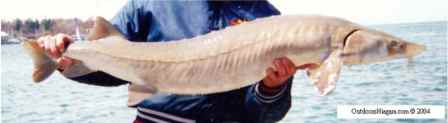 The
Lake Sturgeon were once very abundant in the Great Lakes. During the
1880's, however, their population was severely diminished by the high
demand of the market. Through the years dam construction and habitat
degradation have also had a severe effect.
The
Lake Sturgeon were once very abundant in the Great Lakes. During the
1880's, however, their population was severely diminished by the high
demand of the market. Through the years dam construction and habitat
degradation have also had a severe effect. An old River
Rat tells of his grandfather spearing sturgeon six and seven feet long
in the Niagara gorge years ago. Of course, there's the tale of the
fisherman being pulled in and drowned by a sturgeon, as I wrote about in
the story below.
An old River
Rat tells of his grandfather spearing sturgeon six and seven feet long
in the Niagara gorge years ago. Of course, there's the tale of the
fisherman being pulled in and drowned by a sturgeon, as I wrote about in
the story below.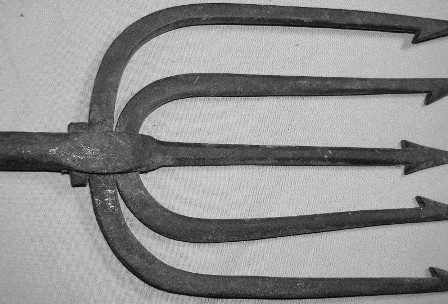


 We
had heard of the tomato juice remedy for skunk spray and we happened to
have some cans of tomato juice on the shelf. We dragged our stinking
puppy outside and gave him a tomato juice bath and sprayed him down with
the garden hose. He still stunk, maybe 30% less, but he still stunk, and
so did the house by that time. I went to my computer, got on Google, and
searched for skunk odor remedies. About 10,000 websites popped up. I
found what looked like a good recipe which included dilute peroxide and
dish soap. I mixed up a batch of this and we proceeded to give Cubby
another bath. This helped to eliminate about 95% of the odor. But,
believe me, that other 5% still lingered for days and slowly faded away.
If you ever use this recipe, go easy on the peroxide or you will turn
your dog from being a black lab into a golden lab. We also boiled a pot
of this concoction on the stove and with the help of some open windows
and fans flushed most of the odor out of the house. Cubby learned a hard
lesson that night: “Don’t go chasing the black kitty cat with the
white stripes!”
We
had heard of the tomato juice remedy for skunk spray and we happened to
have some cans of tomato juice on the shelf. We dragged our stinking
puppy outside and gave him a tomato juice bath and sprayed him down with
the garden hose. He still stunk, maybe 30% less, but he still stunk, and
so did the house by that time. I went to my computer, got on Google, and
searched for skunk odor remedies. About 10,000 websites popped up. I
found what looked like a good recipe which included dilute peroxide and
dish soap. I mixed up a batch of this and we proceeded to give Cubby
another bath. This helped to eliminate about 95% of the odor. But,
believe me, that other 5% still lingered for days and slowly faded away.
If you ever use this recipe, go easy on the peroxide or you will turn
your dog from being a black lab into a golden lab. We also boiled a pot
of this concoction on the stove and with the help of some open windows
and fans flushed most of the odor out of the house. Cubby learned a hard
lesson that night: “Don’t go chasing the black kitty cat with the
white stripes!”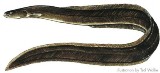 for
the lady's house. After all, she said that she wanted me to put anything
that I caught into her garden pool. It was between ten and eleven in the
evening when I got to her house. I banged on the door, but neither she
nor her husband were home. So I just went ahead and dumped the eel into
her garden pool. It wasn't a very big pool. The size of it was really
more appropriate for goldfish. The pool was situated right outside of
their bedroom window. As her husband relates the story, after they
arrived home late that night they went to bed. It was summer, so they
kept their bedroom window open. In the middle of the night, she awoke to
a strange splashing sound coming from her garden pool. She got up, put a
robe on, and went outside to investigate. As she was standing, with her
slippers on, next to her pool to see what was splashing, the eel popped
out of the pool and wrapped around her ankle. She ran into the house
screaming "There's a monster on me! There's a monster on me!"
for
the lady's house. After all, she said that she wanted me to put anything
that I caught into her garden pool. It was between ten and eleven in the
evening when I got to her house. I banged on the door, but neither she
nor her husband were home. So I just went ahead and dumped the eel into
her garden pool. It wasn't a very big pool. The size of it was really
more appropriate for goldfish. The pool was situated right outside of
their bedroom window. As her husband relates the story, after they
arrived home late that night they went to bed. It was summer, so they
kept their bedroom window open. In the middle of the night, she awoke to
a strange splashing sound coming from her garden pool. She got up, put a
robe on, and went outside to investigate. As she was standing, with her
slippers on, next to her pool to see what was splashing, the eel popped
out of the pool and wrapped around her ankle. She ran into the house
screaming "There's a monster on me! There's a monster on me!"